
Retinalamin (5 mg) Dosage Protocol
A polypeptide complex extracted from cattle retina, registered in Russia and the CIS as an intramuscular retinal neuroprotective drug (Retinalamin, GEROPHARM). Its evidence base is almost entirely Russian-language, open-label and often manufacturer-affiliated; there are no Western randomized trials and no FDA approval. Research and educational reference only.

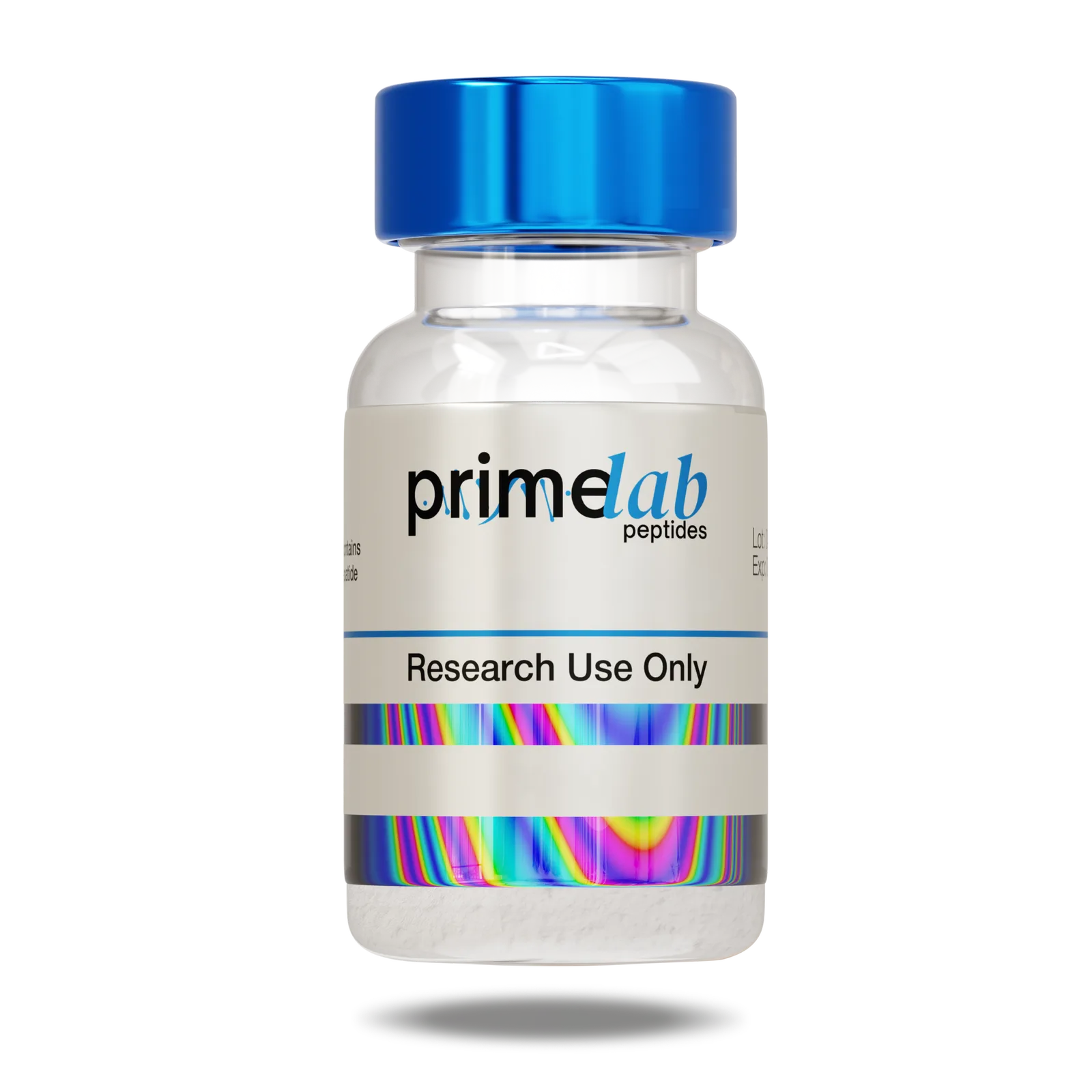
A polypeptide complex of water-soluble peptide fractions isolated from cattle retina (a "cytomedine"/peptide bioregulator), registered in Russia and the CIS as an intramuscular retinal neuroprotective drug manufactured by GEROPHARM. It is an extract, not a single defined peptide, so composition varies by definition.
The registered regimen is 5 mg intramuscularly once daily for a 10-day course, repeated every 3-6 months. A 5 mg vial reconstituted with 1 mL water for injection or saline is 5 mg/mL, so the whole vial is one dose. Given IM, not subcutaneously.
Almost entirely Russian-language, largely open-label and often manufacturer-affiliated, in diabetic retinopathy, glaucoma and macular edema. Proposed neuroprotection is linked to binding of glutamate (AMPA/NMDA/mGluR1) receptors. One manufacturer-affiliated angiography pilot found no statistically significant change. No Western randomized trials; not FDA-approved.
Quickstart Highlights
Retinalamin is a polypeptide complex — a mixture of water-soluble low-molecular-weight peptide fractions isolated from the retina of cattle — that belongs to the Russian class of tissue-derived “cytomedines” or peptide bioregulators[1][2]. It is registered in Russia and several CIS countries (manufactured by GEROPHARM, St. Petersburg) as an intramuscular retinal neuroprotective drug, used mainly for diabetic retinopathy, glaucoma and other retinal degenerations[2][3].
Two things need to be clear before any dosing detail. First, Retinalamin is not approved by the FDA or in the EU; it is a registered medicine only within Russia and the CIS. Second, its evidence base is almost entirely Russian-language, largely open-label, and frequently produced with the manufacturer’s involvement[4] — so the published “positive” results should be read as suggestive rather than confirmed. This page documents how the drug is used and studied; it is not medical advice, and self-treating serious eye disease with a grey-market vial is a poor substitute for an ophthalmologist.
Pre-filled with this protocol’s recommended BAC water and documented starting dose — edit any field to run your own numbers. Reconstitution math only — not dosing advice. U-100 syringe: 100 units = 1 mL. Full reconstitution guide → · Advanced calculator →Mix & measure Retinalamin · 5 mg
Supplies Needed
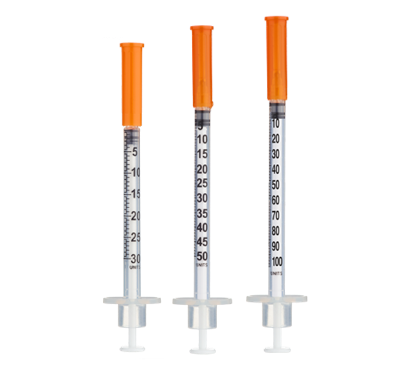
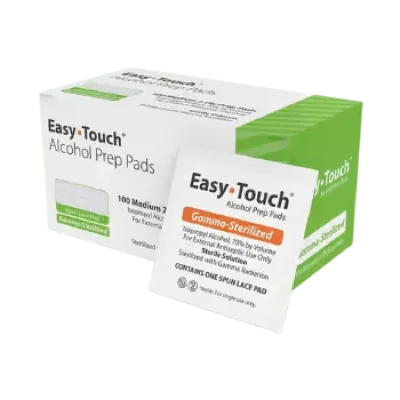
Retinalamin is supplied as a lyophilized powder for reconstitution. The generic kit below covers preparation; note that the registered route is intramuscular, so a standard IM syringe is used in clinical practice rather than the insulin syringe suited to small subcutaneous doses.
Protocol Overview
Retinalamin is a tissue-derived peptide bioregulator in the same broad family as Cortexin (brain) and Cerebrolysin (brain), but sourced from cattle retina and aimed at retinal neuroprotection[1][2]. It is a genuinely registered and used drug in Russia and the CIS, with a defined 5 mg intramuscular course regimen, applied to diabetic retinopathy, primary open-angle glaucoma and other degenerative retinal conditions.
The overview’s honest core is the evidence gap. The mechanistic and clinical literature is real but overwhelmingly Russian-language, largely open-label, and often connected to the manufacturer[4]. There are no Western randomized controlled trials, no FDA or EMA approval, and the one objective, angiography-based pilot in the set returned a null primary result[4]. It is best understood as a regional registered drug with promising but unconfirmed international standing.
Dosing Protocol
The registered regimen is a whole-vial intramuscular course, so the table below shows reference reconstitution points at 5 mg/mL plus the standard course, not a titration ladder. The dose is the 5 mg vial; reconstitution volume affects only injection comfort.
| Reference | Amount / volume | Notes |
|---|---|---|
| Whole vial (registered dose) | 5 mg in 1 mL → 5 mg/mL | One intramuscular dose |
| Registered course | 5 mg IM once daily × 10 days[2] | Repeat every 3–6 months |
| Comfort dilution | 5 mg in 2 mL → 2.5 mg/mL | Same 5 mg dose, larger volume |
| Local clinic routes | Parabulbar / subconjunctival[1] | Administered by clinicians only |
Why Retinalamin draws research interest
These are the directions researchers and the peptide community most often explore Retinalamin for — so you know you’re in the right place. They describe what is being studied, not proven benefits, approved uses, or promised results.
Vision & retinal health
The main draw: a licensed Russian ophthalmic medicine given as a defined 5 mg intramuscular course. No FDA or EMA approval.
Glaucoma & retinopathy
Studied in Russian clinical practice for optic-nerve and retinal disorders; those studies are open-label and unmasked.
An extract, not a molecule
Purified peptide fractions from cattle retina, so the contents are defined by the manufacturing process rather than a formula.
The strongest honest signal
A pilot using objective OCT-angiography, with a maker-affiliated author, found no statistically significant difference between groups.
Evidence ranges from early laboratory work to clinical trials depending on the use — the sections below cover the actual data and sources.
A 5 mg vial in 1 mL water for injection or saline gives 5 mg/mL, so the entire vial is a single 5 mg dose. Clinics often use 1–2 mL; the drug is given intramuscularly, not subcutaneously.
5 mg IM once daily for 10 days per course, with courses typically repeated every 3–6 months[2][5]. This is the Russian registered regimen, not an FDA-cleared one.
Intramuscular in the registered product; ophthalmology clinics also use parabulbar/subconjunctival routes[1]. It is a whole-vial dose, so no U-100 titration is involved.
Registered in Russia/CIS, investigational everywhere else. Data are Russian-language and largely open-label; a manufacturer-affiliated pilot was null on its main endpoint[4]. Not FDA-approved.
Dosing & Reconstitution Guide
Unlike most compounds on this site, Retinalamin has a defined registered dose — but it is a whole-vial intramuscular course, not a titrated subcutaneous ladder, and it is registered only in Russia and the CIS. What follows is the published regimen and reference reconstitution math, framed honestly against an evidence base that is Russian-language and largely open-label[4].
Standard / Gradual Approach
The registered regimen is consistent across the clinical literature: 5 mg intramuscularly once daily for 10 consecutive days, which is one “course,” with courses repeated periodically — typically every 3 to 6 months in chronic conditions like glaucoma[2][4][5]. In the glaucoma studies the whole 5 mg vial was reconstituted and injected once daily for the ten days[2]. Ophthalmology clinics additionally use local parabulbar or subconjunctival injection, but the systemic product a research vial represents is the intramuscular one.
Because it is a whole-vial dose, there is no per-kilogram calculation and no U-100 titration in the usual sense: the 5 mg vial is the dose. Reconstitution volume is a matter of injection comfort rather than dose — 1–2 mL of water for injection, saline, or (in some Russian practice) dilute procaine, is drawn into the vial, dissolved, and given intramuscularly. At 1 mL the concentration is 5 mg/mL.
The honest caveat on the dose is not the number but the evidence behind it. The regimen is well established in Russian practice, but it has not been validated in Western randomized controlled trials, and the outcome data supporting it are mostly unmasked. Anyone using these figures should understand they are copying a regional registered regimen, not a globally validated therapy.
Reconstitution Steps
For the registered intramuscular dose, 1 mL of water for injection or sterile saline per 5 mg vial gives a clean 5 mg/mL, making the whole vial a single 5 mg dose. A slightly larger volume (up to about 2 mL) is sometimes used purely for injection comfort and does not change the dose.
- ▪Sanitize: swab the vial stopper and the diluent stopper with fresh alcohol pads and let them air-dry.
- ▪Add 1–2 mL slowly: draw 1 mL of water for injection or sterile saline (5 mg/mL) — or up to 2 mL for comfort — and let it run down the vial wall onto the powder.
- ▪Dissolve gently: let it stand briefly, then swirl or roll the vial until clear. Do not shake. Discard the solution if it is cloudy or holds particles.
- ▪Use fresh, give intramuscularly: the registered product is injected intramuscularly; prepare each dose fresh rather than storing a reconstituted vial for long periods.
Storage Instructions
Lyophilized vials are stored refrigerated and protected from light; follow the supplier’s handling guidance for the powder.
Because the registered product is prepared and injected fresh, reconstituted solution is best used promptly rather than stored. If any solution is held, keep it refrigerated at 2–8 °C, do not freeze it, and discard anything cloudy or discoloured. As an animal-derived extract, cold-chain and sterility matter more than for a simple synthetic peptide.
Important Notes
These are the points most often lost when Retinalamin is marketed internationally as a “retinal repair peptide.”
- ▪It is registered in Russia/CIS only — not FDA-approved: Retinalamin is a licensed ophthalmic drug within Russia and several CIS states, but it has no FDA or EMA approval and no marketing authorisation in the US or EU. Outside its home markets it is an investigational, unapproved compound.
- ▪The evidence is Russian-language and mostly open-label: the supportive studies are almost all published in Russian journals, frequently without masking or a rigorous control arm, and often with manufacturer involvement[4]. Unmasked studies systematically overstate benefit, so the “positive” literature should be read cautiously.
- ▪A manufacturer-adjacent pilot was null: an OCT-angiography pilot in glaucoma that included a GEROPHARM-affiliated author found no statistically significant differences between dosing schedules, only non-significant trends[4]. That objective null result is an important counterweight to the open-label positives.
- ▪It is a bovine-tissue extract, not a defined molecule: the vial contains a complex of peptide fractions from cattle retina[1], so its composition is defined by manufacturing rather than a formula, batch consistency depends entirely on the maker, and the general considerations that apply to animal-derived biologicals apply here too.
- ▪It is intramuscular, and mainly renally cleared: the registered route is intramuscular, and biodistribution work indicates the peptides reach the eye and brain after IM/IV dosing and are excreted mainly through the kidneys[1]. That is a different pharmacology from the subcutaneous signalling peptides most of this catalogue covers.
- ▪Not a substitute for ophthalmology: diabetic retinopathy and glaucoma are sight-threatening diseases with real, evidence-based treatments (laser, anti-VEGF injections, IOP-lowering therapy). Self-treating them with a grey-market retinal extract instead of seeing an ophthalmologist risks irreversible vision loss.
How This Works
Retinalamin belongs to the Russian tradition of tissue-specific peptide bioregulators: low-molecular-weight peptide fractions purified from an organ (here, cattle retina) and proposed to act on the corresponding tissue[1]. The overarching hypothesis is that such peptide mixtures modulate cell survival and function in the source tissue — in this case, protecting retinal ganglion cells and photoreceptors from degeneration.
The most concrete mechanistic work is a biodistribution and receptor-binding study of the drug[1]. It reported that the polypeptide complex binds several glutamate-receptor subtypes — AMPA, NMDA and mGluR1 — receptors closely tied to the excitotoxic loss of retinal ganglion cells, which is the proposed basis for a neuroprotective effect. Radiolabeled drug reached the tissues of the brain and eye after intramuscular and intravenous dosing (studied at 1.7 mg/kg), and was cleared mainly through the kidneys. Clinically, small studies have reported changes in retinal neurotrophic and degeneration markers — for example shifts in BDNF and neuron-specific enolase in tear fluid after a course in glaucoma patients[2].
The honest limit of the mechanism is the same as the honest limit of the drug: the receptor-binding and biomarker data are plausible and interesting but preliminary, much of it industry-affiliated, and none of it amounts to a validated, controlled demonstration that Retinalamin preserves vision better than standard care. A coherent mechanistic story is a reason to keep studying a compound, not proof that it works.
Lifestyle Factors
There is no lifestyle protocol specific to Retinalamin. In the conditions it targets, the interventions with strong evidence are the conventional ones: for diabetic retinopathy, glycaemic and blood-pressure control plus timely ophthalmic treatment; for glaucoma, consistent intraocular-pressure–lowering therapy and monitoring. These do far more for the retina than any injected extract.
The honest “daily habits” note is therefore a redirection: retinal disease is managed by an ophthalmologist with proven tools, and general eye-health basics — controlling diabetes and blood pressure, not smoking, UV protection, and regular dilated exams — carry evidence that a regional, unmasked-trial peptide extract simply does not.
Potential Benefits & Side Effects
Evidence tier: registered in Russia/CIS, investigational elsewhere, on a largely open-label evidence base. The “effects” below are what the (mostly Russian, mostly unmasked) literature reports; the “considerations” column is the honest counterweight. Read them together, and weigh both against the absence of Western controlled trials.
Reported Effects
- ▪Reported retinal neuroprotection — open-label: studies in diabetic retinopathy report improved electrophysiology (pattern and flash ERG) and retinal structure on OCT after intramuscular courses[3].
- ▪Reported glaucoma benefit — biomarker-level: in primary open-angle glaucoma, a course was associated with normalization of tear-fluid neurotrophic/degeneration markers (BDNF, NSE) in earlier-stage patients[2].
- ▪A plausible receptor mechanism: the complex binds AMPA/NMDA/mGluR1 glutamate receptors implicated in retinal ganglion-cell loss, and distributes to eye and brain tissue after injection[1].
- ▪What is not established: any benefit by Western controlled-trial standards. One objective angiography pilot found no significant difference[4], and there are no large randomized controlled trials, so the reported benefits remain unconfirmed internationally.
Common Side Effects
- ▪Reported tolerability is generally good — but from unmasked studies: the Russian literature describes Retinalamin as well tolerated, though open-label designs are poor at detecting and attributing adverse effects[4].
- ▪Injection-route effects: as an intramuscular product it carries the usual injection considerations (local pain, bruising, infection risk with poor technique); local ophthalmic routes are performed by clinicians for that reason.
- ▪Animal-derived material: being a bovine-tissue extract[1], it carries the general theoretical considerations of animal-sourced biologicals, and a grey-market copy has no guarantee of identity, sterility or freedom from contaminants.
- ▪Western safety data are absent: without controlled trials outside Russia, the international side-effect profile is not independently characterised — another reason not to treat a serious eye disease with it outside medical supervision.
Injection Technique
Retinalamin is supplied as a lyophilized vial for reconstitution and, in its registered form, is given intramuscularly as a whole-vial 5 mg dose. The workflow below documents how such a vial is prepared; it is educational, not a recommendation to self-inject an unapproved drug for a sight-threatening condition.
Pre-Injection Preparation
- ▪Know the route: the registered product is intramuscular, not subcutaneous, and local ophthalmic routes are performed only by clinicians. A research vial does not change that.
- ▪Confirm the dose is the vial: Retinalamin is a whole-vial 5 mg dose; reconstitution volume (1–2 mL) affects comfort, not the amount of drug.
- ▪Inspect: the reconstituted solution should be clear and particle-free; discard it if cloudy or discoloured. Purity of a grey-market extract cannot be assumed.
Injection Procedure
- ▪Prepare fresh: reconstitute immediately before use; the registered practice is a freshly prepared intramuscular injection, not a stored solution.
- ▪If given IM: a standard intramuscular injection technique into a large muscle is used clinically, with a suitable IM needle rather than a fine insulin needle.
- ▪Follow the course structure: the studied regimen is once daily for 10 days, then a gap of months — not continuous dosing.
Post-Injection Care
- ▪Handle animal-derived material carefully: keep vials refrigerated, prepare doses fresh, and discard anything cloudy; sterility matters more for a tissue extract than for a simple synthetic peptide.
- ▪Watch for reactions: treat any injection-site reaction, rash, or systemic symptom as a reason to stop and seek care, given the unmasked, industry-affiliated safety data.
- ▪Keep vision care where it belongs: retinal disease needs an ophthalmologist and proven treatments; Retinalamin, at best, is an adjunct within its home markets, not a stand-alone cure.
Recommended Source
For high-purity research peptides, we point researchers to Prime Lab Peptides for Retinalamin (5 mg Vial).
Why Prime Lab Peptides?
- ▪Top-rated on Trustpilot: Independently reviewed as the highest-rated peptide lab on Trustpilot — making it the best current source in the USA.
- ▪Third-party tested: Every batch ships with a Certificate of Analysis (COA) confirming purity and composition.
- ▪Consistent quality: ISO-aligned manufacturing and handling keep product integrity reliable batch to batch.
- ▪Cold-chain integrity: Temperature-controlled shipping and storage across the whole fulfilment chain.
- ▪Research-grade purity: Fit for educational and research use that demands high-quality peptides.
Note: Product availability and specifications subject to change. Verify current product details on supplier website.
References
- 1
Vestnik Oftalmologii (2021) — Ligand-receptor interaction and biodistribution of a drug containing cattle retinal polypeptidesVerlov et al. (PMID 34726863). Mechanistic study of Retinalamin: water-soluble polypeptide fractions from cattle retina bind glutamate receptors (AMPA, NMDA, mGluR1) tied to retinal ganglion-cell loss; radiolabeled drug reaches eye and brain after IM/IV dosing (1.7 mg/kg) and is excreted mainly via the kidneys. Includes Pharm-Holding (manufacturer-affiliated) authors. DOI: 10.17116/oftalma202113705194.
- 2
Vestnik Oftalmologii (2018) — Molecular mechanisms of neuroretinoprotection in primary open-angle glaucomaGabdrakhmanova et al. (PMID 30499540). Glaucoma patients received 10 intramuscular injections of Retinalamin (GEROPHARM) at 5 mg once daily; tear-fluid BDNF and neuron-specific enolase normalized toward control values in earlier-stage disease. Confirms the composition (cattle-retina peptides) and the 5 mg IM x10 course. DOI: 10.17116/oftalma201813405154.
- 3
Vestnik Oftalmologii (2024) — Objective structural and functional monitoring of polypeptide retinal neuroprotective therapy in diabetic retinopathyMalakhova et al. (PMID 39569781). Open-label study (56 patients) of intramuscular Retinalamin in diabetic retinopathy using OCT and electrophysiology (pattern/flash ERG); reported positive structural and functional changes in the treated group. Open-label design without masking. DOI: 10.17116/oftalma202414005197.
- 4
Vestnik Oftalmologii (2021) — Effect of retinal protective therapy on optical coherence tomography angiography (pilot study)Dorofeev et al. (PMID 33610151), including a GEROPHARM-affiliated author. Pilot comparing Retinalamin courses every 3 vs 6 months in open-angle glaucoma with objective OCT-angiography: no statistically significant differences between groups (p>0.05), only non-significant trends. An objective null result. DOI: 10.17116/oftalma202113701160.
- 5
Advances in Gerontology (2011) — Retinoprotective therapy of diabetic macular edema in elderly patientsKharintseva (PMID 22184988). Describes the cytomedine Retinalamin used to increase the efficiency of laser photocoagulation for diabetic macular edema in elderly patients — an adjunctive, regional clinical use. English-abstract, Russian-language.
Retinalamin — frequently asked questions
How do I reconstitute a 5 mg vial of Retinalamin?
Wipe the stopper with an alcohol swab, then inject your bacteriostatic water slowly down the inside wall of the vial. Let it sit and gently swirl until dissolved — never shake. Store the mixed vial in the refrigerator and draw doses with an insulin syringe. Use the calculator above to turn any dose into syringe units.
How much bacteriostatic water should I add to Retinalamin?
There is no single correct amount — more water simply spreads the same 5 mg of peptide across a larger volume, which makes small doses easier to measure accurately. 1 to 3 mL per vial is typical. Enter your chosen volume in the calculator above to see the resulting concentration and syringe units.
What do the "units" on an insulin syringe mean?
On a U-100 insulin syringe, 100 units equal 1 mL, so 1 unit equals 0.01 mL. The calculator above converts your draw volume into these units automatically so you can measure without doing the math by hand.
How should I store Retinalamin after mixing?
Keep the reconstituted vial refrigerated at roughly 2 to 8 degrees Celsius, away from light, and avoid freezing it. Reconstituted research peptides are generally used within a few weeks. Always follow the specific guidance supplied with your product.
How many doses does a 5 mg vial of Retinalamin provide?
Divide the vial strength of 5 mg by the amount you use per injection. The calculator above reports this as "doses per vial" the moment you enter a dose.
Is Retinalamin approved for human use?
No. Retinalamin is sold strictly for laboratory and research purposes and is not approved by the FDA or other regulators for human use. Everything on this page is research information, not medical advice — consult a licensed healthcare professional before any use.
New protocols & dosing updates
Reconstitution charts, new peptide protocols and safety updates — straight to your inbox. No spam, unsubscribe anytime.