
AICAR (50mg Vial) Dosage Protocol
AMPK-activating "exercise mimetic" — unapproved research compound; human benefits unproven, WADA-prohibited.
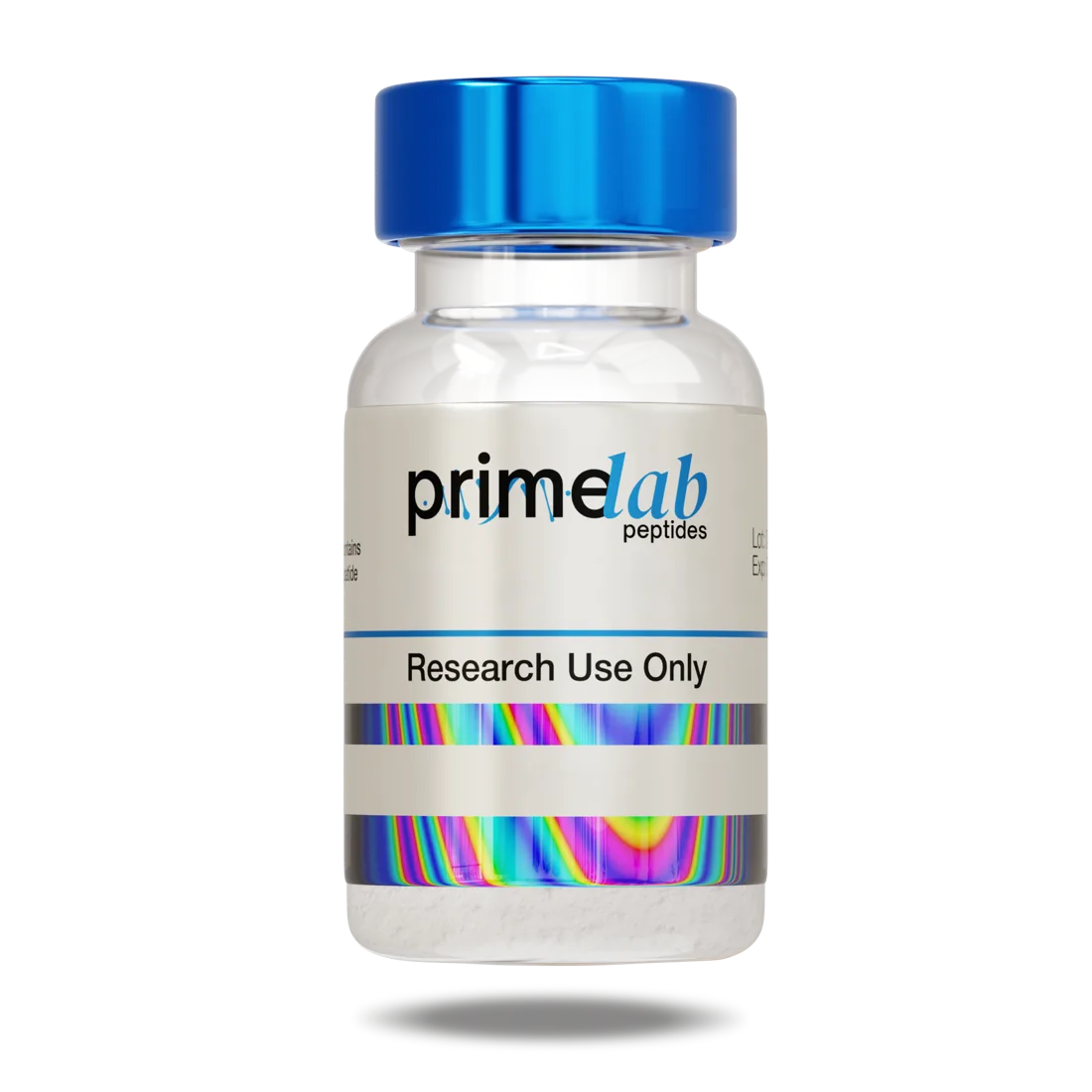
Pre-filled with this protocol’s recommended BAC water and documented starting dose — edit any field to run your own numbers. Reconstitution math only — not dosing advice. U-100 syringe: 100 units = 1 mL. Full reconstitution guide → · Advanced calculator →Mix & measure AICAR · 50 mg
Dosing & Reconstitution Guide
A single practical dilution with accurate once-daily dosing, step by step
Standard / Gradual Approach (3 mL = ~16.67 mg/mL)
Reconstitute: Add 3.0 mL bacteriostatic water to one 50 mg vial → final concentration ~16.67 mg/mL (16,670 mcg/mL).
Typical daily range: 1–3 mg (1,000–3,000 mcg) once daily, raised gradually over an 8-week course.
Easy measuring: At ~16.67 mg/mL, 1 unit ≈ 167 mcg on a U-100 syringe (units = mcg ÷ 167). The micro-doses here are far below the 10–50 mg/kg doses used in rodent studies.
Storage: Lyophilized: store at −20 °C (−4 °F); after reconstitution, refrigerate at 2–8 °C (35.6–46.4 °F) and do not freeze the mixed solution.
Why AICAR draws research interest
These are the directions researchers and the peptide community most often explore AICAR for — so you know you’re in the right place. They describe what is being studied, not proven benefits, approved uses, or promised results.
Endurance & exercise performance
Investigated in animal research as an AMPK-driven "exercise mimetic"; WADA-prohibited and not approved for human use.
Fat metabolism & lipolysis
Studied in preclinical models for how AMPK activation shifts cells toward fat oxidation; human effects remain unproven.
Mitochondrial function
Explored in animal research on AMPK signaling and mitochondrial biogenesis; investigational only, with no approved human indication.
Glucose & metabolic regulation
Researched in preclinical studies on AMPK-mediated glucose uptake and insulin sensitivity; human benefits are unestablished.
Evidence ranges from early laboratory work to clinical trials depending on the use — the sections below cover the actual data and sources.
Important: Start with the Prep & Injection Guide — it covers the preparation and safety basics every protocol on this site assumes.
Frequency: one subcutaneous injection each day, titrating up as tolerated across the 8-week course[3]. These are illustrative research figures, not approved human dosing; note that AICAR is not approved for human use and is prohibited by WADA[4].
Reconstitution Steps
Draw 3.0 mL of bacteriostatic water into a sterile syringe.
Release it slowly down the vial’s inner wall to limit foaming.
Swirl or roll gently until fully dissolved — don’t shake.
Label with the date and concentration, then refrigerate at 2–8 °C (35.6–46.4 °F), shielded from light.
The 3.0 mL dilution puts a 50 mg vial at ~16.67 mg/mL, so each dose still reads on the lower half of a U-100 syringe (1 unit ≈ 167 mcg). Avoid freezing the reconstituted solution, since freeze–thaw can degrade the compound.
Supplies Needed
Quantities below assume an 8–16 week course of once-daily injections with gradual titration.
A 50 mg vial covers roughly 2–3 weeks at the 1–3 mg/day micro-doses used here, so one vial lasts well into the cycle.
- 8-week course: ~3 vials
- Doses 1–3 mg/day: 1 vial ≈ 2–3 weeks
- Keep a spare vial on hand
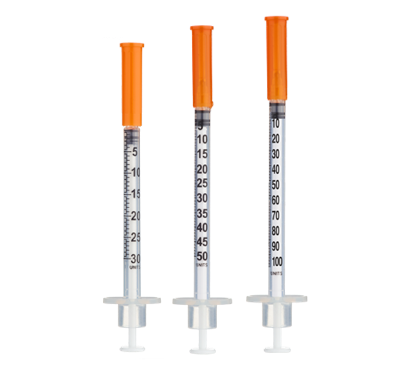
- Per injection: 1 syringe
- 8 weeks (once daily): ~56 syringes
- 16 weeks (once daily): ~112 syringes
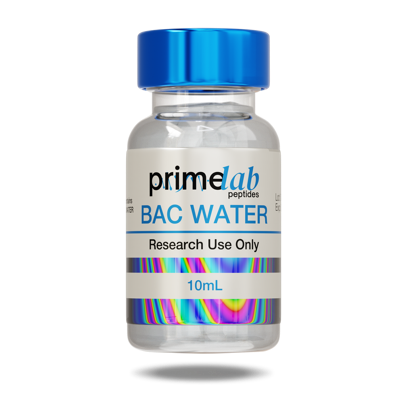
Use ~3.0 mL per 50 mg vial for reconstitution.
- 8 weeks (3 vials): ~9 mL → 1–2 bottles
- Keep a spare bottle for top-ups
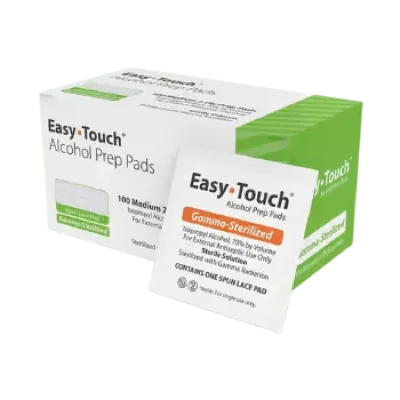
One for the vial stopper + one for the injection site each day.
- Per injection: 2 swabs
- 8 weeks (once daily): ~112 swabs → 1–2 boxes
Storage Instructions
Correct storage is what preserves the peptide’s stability and activity.
- ▪Lyophilized: Hold the dry vial at −20 °C (−4 °F) in dry, dark conditions and limit moisture exposure[7].
- ▪Reconstituted: Refrigerate at 2–8 °C (35.6–46.4 °F) and use within about 28 days; do not freeze the mixed solution, as freezing can denature peptides[8].
- ▪Handling: Let frozen vials warm to room temperature before opening so condensation won’t form, and keep the solution clear of heat and direct light.
- ▪Freeze–thaw: Avoid repeated freeze–thaw cycles of the reconstituted solution.
Important Notes
Practical points that keep daily administration safe and consistent.
- ▪Sterile technique: Use a fresh sterile U-100 insulin syringe each time and drop it straight into a puncture-proof sharps container afterward.
- ▪Site rotation: Move between abdomen, thighs and upper arms to reduce local irritation and lipohypertrophy[9].
- ▪Slow injection: Push the plunger slowly and pause a few seconds before withdrawing the needle to prevent backflow.
- ▪Recordkeeping: Log the daily dose, injection site and any observations to keep the protocol consistent.
- ▪Regulatory note: AICAR is prohibited by WADA (S4.5 metabolic modulators / AMPK activator, in- and out-of-competition since 2009) and is not FDA-approved for human use[10].
How This Works
AICAR (5-aminoimidazole-4-carboxamide ribonucleotide; also known as acadesine) is an AMP-mimetic — a small molecule that mimics AMP, the signal a cell produces when its energy is running low[1][2]. By imitating AMP it switches on the cell’s master energy sensor.
Its core mechanism is activation of AMPK (AMP-activated protein kinase), the master regulator of cellular energy balance. Once activated, AMPK promotes fatty-acid oxidation and a shift toward oxidative, endurance-type muscle fibers — the changes that earned AICAR the “exercise mimetic” label[5][6].
The famous result is from a 2008 Salk Institute mouse study, in which sedentary mice given AICAR ran significantly longer than untreated mice[11]. Those rodents received 10–50 mg/kg — vastly higher, on a body-weight basis, than the 1–3 mg/day micro-doses on this page[12].
Important caveat: the endurance and fat-loss benefits have never been demonstrated in humans. As a drug (acadesine) AICAR reached Phase III cardioprotection trials but failed to gain approval. Performance and body-composition claims rest on rodent data and anecdote, and should be read as unproven hypotheses.
AICAR is not an approved medicine. It is an unapproved research chemical presented here for research and educational purposes only.
Lifestyle Factors
Habits that may support endurance and metabolic goals alongside the protocol.
- ▪Nutrition: Support training with adequate protein and sensible carbohydrate timing around workouts.
- ▪Activity & rest: Endurance and resistance training are the proven drivers of the adaptations AICAR is claimed to mimic — pair them with real recovery time.
- ▪Sleep: Aim for 7–9 hours to support recovery and metabolic health.
- ▪Stress: Manage stress with evidence-based practices, since it influences metabolism and recovery.
Potential Benefits & Side Effects
What preclinical (mostly rodent) research describes; human efficacy is unproven and individual results vary.
Potential Benefits
- ▪Endurance (mouse only): A 2008 mouse study reported markedly improved running endurance in sedentary mice given AICAR via AMPK activation[5][6].
- ▪Fat metabolism (preclinical): AMPK activation has been linked to increased fatty-acid oxidation and improved glucose uptake in animal and cell models[11].
- ▪Clinical history (acadesine): Studied in humans as the cardioprotective drug acadesine, but it failed to gain regulatory approval.
- ▪Note on humans: The endurance and fat-loss benefits are not established in humans — the hype rests on rodent data at far higher doses[13].
Common Side Effects
- ▪Injection-site reactions: Mild redness, tenderness or soreness can occur; rotating sites helps.
- ▪Unknown long-term profile: Long-term human safety data is essentially absent, so caution is advised.
- ▪Sport restriction: AICAR is a WADA-prohibited substance (S4.5), banned in and out of competition.
Injection Technique
General subcutaneous technique, following established clinical best-practice guidance[14][15].
Pre-Injection Preparation
- ▪Wash your hands well with soap and water.
- ▪Wipe the vial stopper with an alcohol swab and let it air-dry.
- ▪Choose a site (abdomen, thigh, or upper arm) and clean it with a fresh alcohol swab, letting it dry fully[15].
- ▪Draw the intended dose, then check for air bubbles and push any out.
Injection Procedure
- ▪Pinch a skinfold at the chosen site between thumb and forefinger.
- ▪Insert the needle into the pinch at a 45–90-degree angle (use 45 degrees if the fat layer is thin)[14].
- ▪Skip aspiration for subcutaneous shots — it isn’t needed[14].
- ▪Press the plunger slowly and steadily until it’s fully down.
- ▪Wait 5–10 seconds, then pull the needle straight out to prevent leakage.
Post-Injection Care
- ▪Drop the used syringe straight into a puncture-proof sharps container — never recap a needle.
- ▪Return the reconstituted vial to the fridge right away.
- ▪Rotate the injection site each day to prevent irritation and lipohypertrophy[9].
- ▪Watch the site for excess redness, swelling, or signs of infection.
Recommended Source
For high-purity research compounds, we point researchers to Prime Lab Peptides.
Why Prime Lab Peptides?
- ▪Top-rated on Trustpilot: Independently reviewed as the highest-rated peptide lab on Trustpilot — making it the best current source in the USA.
- ▪Third-party tested: Every batch ships with a Certificate of Analysis (COA) confirming purity and composition.
- ▪Consistent quality: ISO-aligned manufacturing and handling keep product integrity reliable batch to batch.
- ▪Cold-chain integrity: Temperature-controlled shipping and storage across the whole fulfilment chain.
- ▪Research-grade purity: Fit for educational and research use that demands high-quality peptides.
Note: Product availability and specifications subject to change. Verify current product details on supplier website.
References
- 1
Cell Metabolism / Narkar et al.AMPK and PPARδ agonists regulate the endurance phenotype; the foundational 2008 “exercise in a pill” work on AICAR.
- 2
Drug Testing and Analysis (PubMed)Detection of AICAR (AICA-riboside) as an AMPK-activating performance-enhancing agent in doping control.
- 3
WADA Scientific ResearchResearch on AICAR as a metabolic modulator and AMPK activator relevant to anti-doping detection.
- 4
Racing Medication & Testing ConsortiumRegulatory bulletin on AICAR and metabolic modulators in equine and human sports medicine.
- 5
Salk Institute / Cell (2008)AICAR improved running endurance in sedentary mice — the original “exercise mimetic” finding.
- 6
Cell Metabolism (PubMed)Role of AMPK in skeletal-muscle fatty-acid oxidation and the oxidative fiber-type shift.
- 7
Peptide Storage GuideBest practices for storing lyophilized peptides (temperature, humidity and light protection).
- 8
Bacteriostatic Water GuidanceBacteriostatic water for injection: multi-dose vial stability and handling.
- 9
NCBI BookshelfBest practices for subcutaneous injection: aseptic technique and site rotation.
- 10
WADA Prohibited ListClassification of AICAR / AMPK activators (S4.5 metabolic modulators) as prohibited in sport.
- 11
Diabetes / Endocrinology (PubMed)AICAR-induced AMPK activation increases fatty-acid oxidation and glucose uptake in skeletal muscle.
- 12
European Heart Journal (PubMed)Phase III cardioprotection trials of acadesine (AICAR) in cardiac surgery — did not reach approval.
- 13
ClinicalTrials.govTrial registry for acadesine (AICAR); no approved human indication for endurance or fat loss.
- 14
Centers for Disease Control and Prevention (CDC)Subcutaneous injection technique: angle, site and no-aspiration guidance.
- 15
Subcutaneous Injection Technique (Patient Education)How to administer a subcutaneous injection: clinical technique guidelines.
- 16
Prime Lab PeptidesPrime Lab Peptides — research-compound supplier with purity specifications and certificates of analysis.
AICAR — frequently asked questions
How do I reconstitute a 50 mg vial of AICAR?
Wipe the stopper with an alcohol swab, then inject your bacteriostatic water slowly down the inside wall of the vial. Let it sit and gently swirl until dissolved — never shake. Store the mixed vial in the refrigerator and draw doses with an insulin syringe. Use the calculator above to turn any dose into syringe units.
How much bacteriostatic water should I add to AICAR?
There is no single correct amount — more water simply spreads the same 50 mg of peptide across a larger volume, which makes small doses easier to measure accurately. 1 to 3 mL per vial is typical. Enter your chosen volume in the calculator above to see the resulting concentration and syringe units.
What do the "units" on an insulin syringe mean?
On a U-100 insulin syringe, 100 units equal 1 mL, so 1 unit equals 0.01 mL. The calculator above converts your draw volume into these units automatically so you can measure without doing the math by hand.
How should I store AICAR after mixing?
Keep the reconstituted vial refrigerated at roughly 2 to 8 degrees Celsius, away from light, and avoid freezing it. Reconstituted research peptides are generally used within a few weeks. Always follow the specific guidance supplied with your product.
How many doses does a 50 mg vial of AICAR provide?
Divide the vial strength of 50 mg by the amount you use per injection. The calculator above reports this as "doses per vial" the moment you enter a dose.
Is AICAR approved for human use?
No. AICAR is sold strictly for laboratory and research purposes and is not approved by the FDA or other regulators for human use. Everything on this page is research information, not medical advice — consult a licensed healthcare professional before any use.
New protocols & dosing updates
Reconstitution charts, new peptide protocols and safety updates — straight to your inbox. No spam, unsubscribe anytime.