
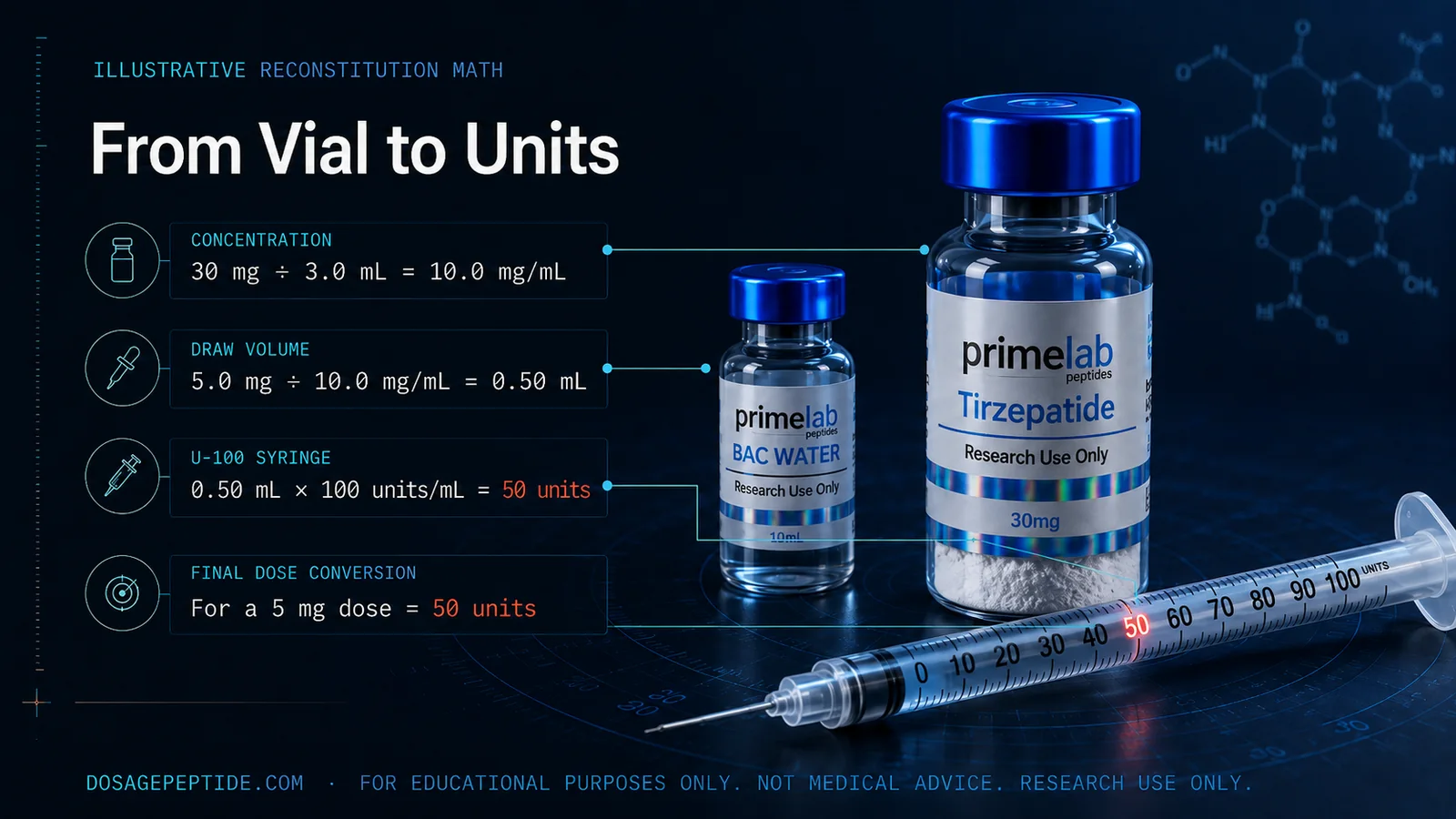
Featured Protocols
Step-by-step guides from reconstitution to precise dosing.
Important: Before viewing any protocol, please consult our Prep & Injection Guide for essential preparation and safety instructions.
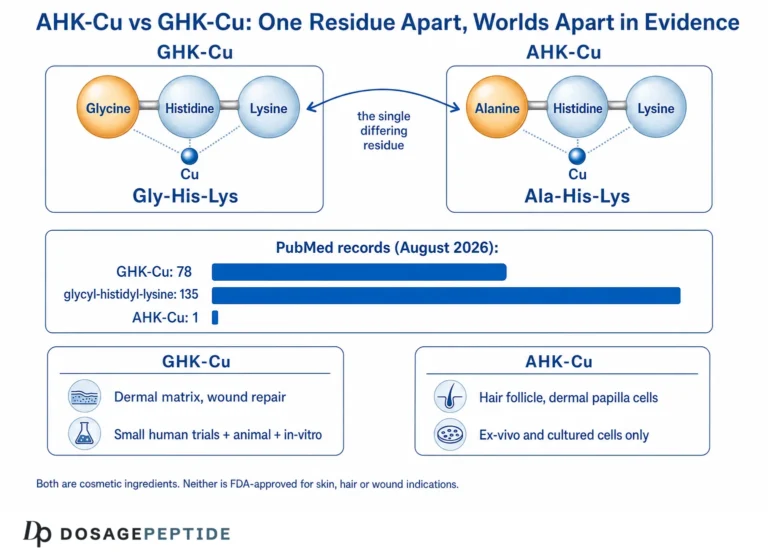
GLOW (GHK-Cu + TB-500 + BPC-157)
70mg synergistic blend. Three peptides, one regeneration protocol.
Tesamorelin
GHRH analog. Full protocols available for 5mg, 10mg & 20mg.
Tirzepatide
Full protocols available for 5mg, 10mg & 30mg.
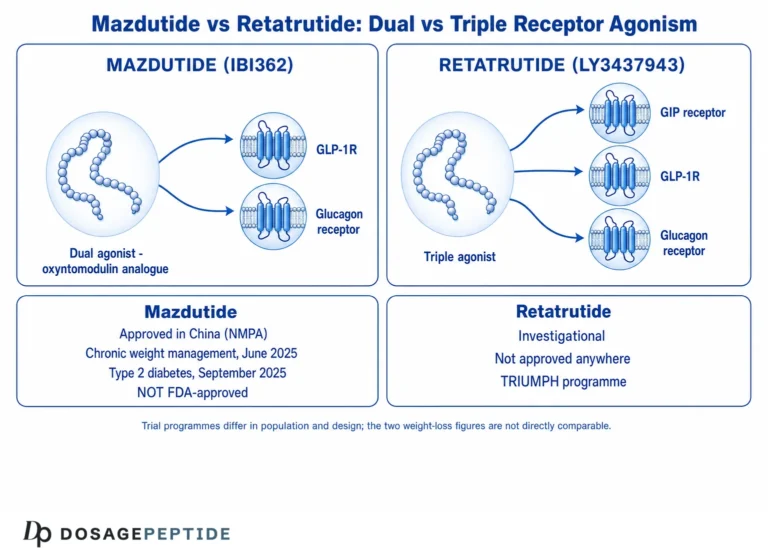
Retatrutide
Full protocols available for 5mg, 6mg, 10mg, 12mg, 20mg, 24mg & 30mg.
Recently Updated
Why Our Guides?
We simplify peptide research with:
- Straightforward instructions
- Clear reconstitution steps
- Regular updates
Each protocol references peer-reviewed data when possible and follows research standards.
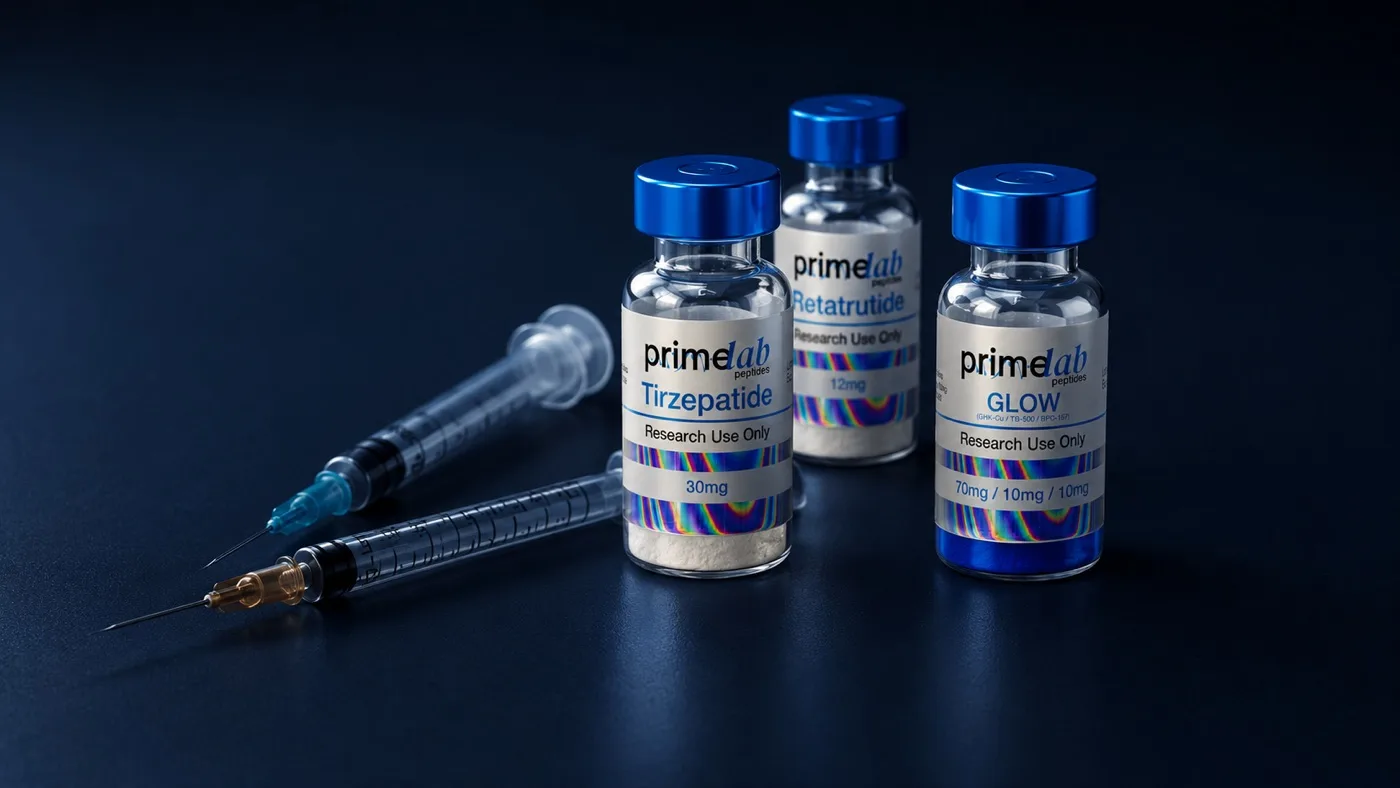
Where research peptides come from matters
Every dose chart on this site assumes the vial actually contains what the label says. That is not a given: research-grade peptides are not held to pharmaceutical standards, and published trial data never automatically transfer to an uncharacterised vial. Before the maths matter, four things do.

Latest Articles
Stay informed with new methods and data for peptide research.
Create Your Own Protocol
Need a custom guide? Request one for free. Or use the calculator below to find exact injection volumes.
Frequently
Asked Questions
Reconstitution, storage and safe research use — the essentials, answered. Still stuck?
Ask a questionAre these protocols for human use?
No. Everything on this site is provided strictly for research and educational purposes and is not medical advice. It is not intended to diagnose, treat, cure, or prevent any condition.
How do I reconstitute a peptide?
Add bacteriostatic water to the lyophilized vial along the side, let it dissolve without shaking, then draw your dose. Our reconstitution guide walks through the exact ratios and sterile technique.
How should peptides be stored?
Lyophilized (powder) vials are typically kept in the freezer, while reconstituted vials are refrigerated and used within their stability window. Each protocol lists the storage window for that specific compound.
What is bacteriostatic water?
Bacteriostatic water is sterile water containing 0.9% benzyl alcohol, which limits bacterial growth so a reconstituted vial stays usable across multiple draws.
Do you sell peptides?
We are a reference library, not a vendor. Our protocols document reconstitution and dosing math so researchers can work accurately with material they source independently.
Ready to Explore More?
Browse our full protocol library, review the latest research, or request a custom dosage guide for your project.
Quick conversions: mcg to mg · mg to syringe units
Browse All Protocols